

In the Mind of the Master: Rick Clunn Reflects on Bass Fishing Legends, Classic Wins, and Winter Jerkbait Tactics

In the latest episode of the Fishtails podcast, host Byron Velvick welcomes back bass fishing icon Rick Clunn for the monthly "In the Mind of the Master" segment. This candid conversation dives deep into the golden era of professional bass fishing, highlighting pioneers like Bill Dance, Ray Scott, and Roland Martin, while sharing untold stories from the Bassmaster Classic's early days. Clunn, a four-time Classic champion, offers timeless insights on tournament strategy, the evolution of the sport, and even some winter fishing tips featuring Livingston Lures.
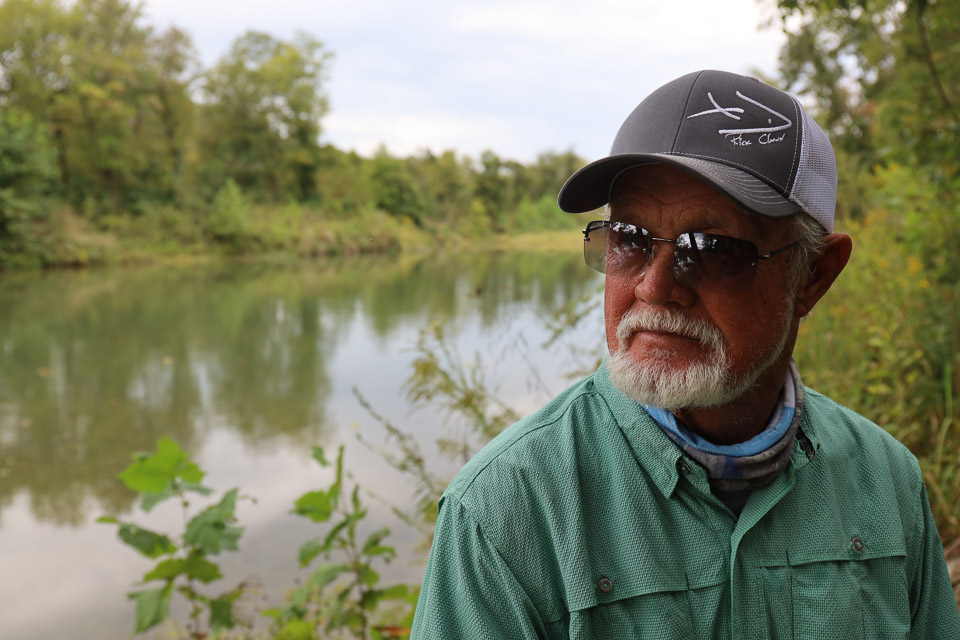
The discussion kicks off with Clunn, who started tournament fishing in 1974, recalls admiring Dance from afar during his days working at an oil company and fishing local clubs in Houston. He credits Dance with transforming the public image of professional anglers. Back then, admitting you made a living fishing often led people to assume you owned a shrimp boat – hardly a glamorous profession. Dance changed that by presenting himself professionally: well-dressed, articulate, and consistent on the water.
Clunn emphasizes how founder Ray Scott had an uncanny knack for recruiting talent that elevated the sport's legitimacy. Dance helped dispel the "country hick" stereotype, while Roland Martin brought the science of pattern fishing to the forefront, proving bass fishing required skill, not just luck.
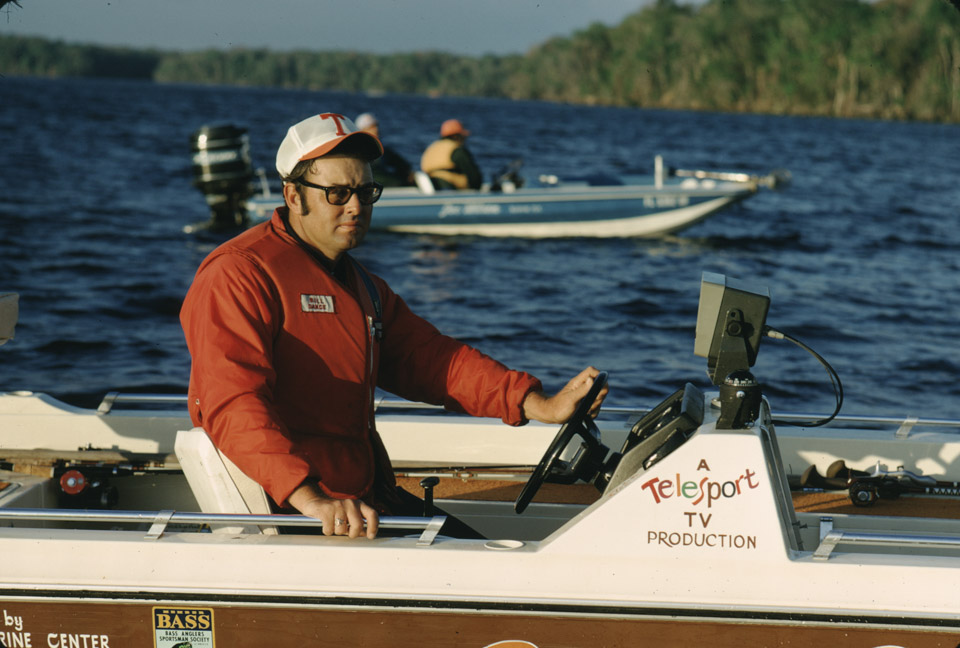
Velvick and Clunn reminisce about Dance's early dominance, finishing second in several of the first Bassmaster events and winning seven of the initial 14. Dance's adoption of structure fishing, inspired by Glen Andrews, marked a shift from bank-beating to targeting offshore points, channel swings, and schools of bass located with topological maps, flashers, and marker buoys. This offshore approach was revolutionary at a time when most anglers hugged the shore.
Clunn also notes how Dance, along with Jimmy Houston and Roland Martin, were savvy enough to launch their own TV shows starting in the late 1960s and early 1970s. Ray Scott's platform gave them national exposure, turning them into household names and securing financial stability beyond tournament winnings.
Turning to his own career, Clunn reveals how the secret-location format of the 1970s Bassmaster Classics gave him a unique edge. Anglers were flown to unknown waters with no pre-fishing allowed, forcing everyone to adapt on the fly. While legends like Dance and Martin relied on local intel and pre-tournament help for regular events, Clunn honed his skills fishing "in the moment" without assistance. This mindset led to his remarkable run: qualifying for 28 consecutive Classics starting in 1974, and finishing first, first, second, third, and fourth in the 1970s events.
His 1976 win was particularly pivotal, coming when he was broke and guiding on the young Lake Conroe. Victory opened sponsor doors overnight, with companies booking every available day in advance. Clunn shares how this "fish in the moment" philosophy – ignoring pre-practice intel and focusing on current conditions and weather forecasts – set him apart.
The conversation touches on the sport's evolution, from rule changes that hurt pre-fishing-dependent anglers like Dance to today's forward-facing sonar era, where daily 20-pound limits are the norm and limits are almost guaranteed. Clunn praises modern pros who minimize over-practicing, echoing his own approach.
In a heartwarming interlude, the podcast pauses when Velvick's daughter reminds him of volleyball practice – a real-life dad moment that Clunn applauds, praising Velvick's balancing of fishing legacy and fatherhood.
The episode wraps with winter fishing advice tailored to the Southeast. Clunn's top picks from the Livingston Lures lineup are the JerkMaster 121 series and flat-sided crankbaits. He recommends the deep-diving JerkMaster 121D for a sweep-and-pause retrieve in cold water, mimicking old spoonbill techniques but with better castability. For suspended bass, the standard 121 excels – fish come from depths of 30 feet or more to attack a bait paused in shallower water, especially in clear conditions.

Livingston's sound technology keeps attracting fish even on pauses, making these baits deadly in January through early March.
This episode of Fishtails is a must-listen for anyone interested in bass fishing history, Bassmaster Classic strategies, or cold-water jerkbait fishing. Rick Clunn's wisdom reminds us why he's a master of the sport – blending historical reverence with practical, mindset-driven advice that still wins tournaments today. Catch the full podcast for more stories, laughs, and that unforgettable volleyball interruption!